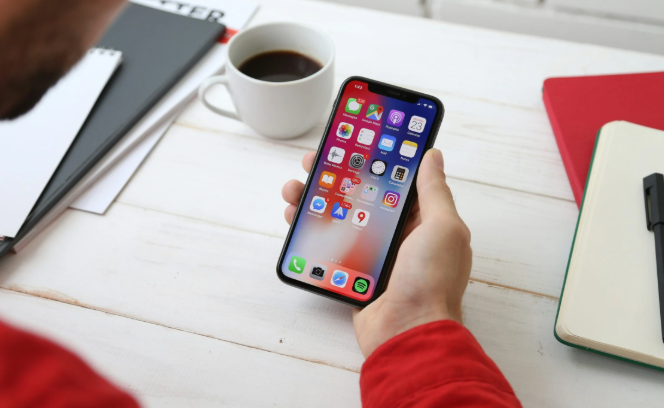
The way people use the internet has changed dramatically over the last decade. Smartphones are no longer a secondary option—they are the primary way users browse, shop, and connect with businesses online. For many companies, mobile traffic already makes up more than half of their website visitors. This shift means websites designed mainly for desktops are no longer enough. If you’re running a business in a fast-moving city like Sydney and want your website to meet modern user expectations, choosing a team that understands professional web development Sydney businesses rely on can help ensure your site is built with mobile users at the centre, not as an afterthought.
Why Mobile-First Website Development Is Essential Today
Below, we outline the key reasons why mobile-first website development is essential for reaching modern users and driving sustainable online growth.
Mobile Usage Has Overtaken Desktop
Mobile devices dominate internet usage across industries and demographics. People use their phones to search for services, read reviews, compare prices, and make purchasing decisions on the go. If your website isn’t optimised for mobile users, you’re potentially losing a large portion of your audience before they even engage with your content.
Mobile-first development starts by designing for smaller screens and touch interactions first, then scaling up for larger devices. This approach ensures that the most important information is clear, accessible, and easy to use on mobile.
Better User Experience on All Devices
User experience is at the heart of mobile-first design. A mobile-first website prioritises simplicity, clarity, and speed. Navigation is streamlined, content is easy to scan, and calls to action are placed where users can easily tap them.
Interestingly, designing for mobile first often improves the desktop experience as well. By focusing on essentials, mobile-first websites avoid clutter and unnecessary features, resulting in cleaner, more intuitive designs across all devices.
Mobile-First Improves Website Speed
Website speed is critical, especially on mobile networks where connection speeds may vary. Mobile-first development encourages lightweight designs, optimised images, and efficient code, all of which contribute to faster loading times.
Faster websites reduce bounce rates and keep users engaged longer. Speed also directly impacts conversions—users are far more likely to abandon a slow site, particularly on mobile devices.
Strong Impact on Search Engine Rankings
Search engines now prioritise mobile-friendly websites when determining rankings. Mobile-first indexing means search engines primarily use the mobile version of your site for indexing and ranking purposes.
If your website doesn’t perform well on mobile, your visibility in search results may suffer—even for desktop searches. Mobile-first development helps ensure your site meets modern SEO requirements, improving discoverability and organic traffic.
Higher Conversion Rates
Mobile users behave differently from desktop users. They want quick answers, fast navigation, and simple actions. A mobile-first website is designed with these behaviours in mind, making it easier for users to contact you, fill out forms, or complete purchases.
Clear layouts, thumb-friendly buttons, and focused content all contribute to better conversion rates. When users can easily complete tasks on their phones, your website becomes a powerful tool for lead generation and sales.
Supports Local and On-the-Go Searches
Mobile-first development is especially important for local businesses. Many mobile searches are location-based, such as finding nearby services, checking opening hours, or requesting directions.
A mobile-optimised website ensures local users can quickly find the information they need. This is particularly valuable in competitive urban markets, where customers often make fast decisions based on convenience and accessibility.
Future-Proofing Your Website
Technology continues to evolve, and mobile usage is only expected to grow. Wearable devices, voice search, and new mobile interfaces all rely on mobile-friendly design principles.
By adopting a mobile-first approach now, businesses future-proof their websites against upcoming trends. It’s easier to adapt and scale a mobile-first site than to retrofit an outdated desktop-focused design later.
Simplifies Content Strategy
Mobile-first development forces businesses to focus on what truly matters. Limited screen space encourages concise messaging and purposeful content.
This clarity benefits users by reducing information overload and helping them find key messages quickly. It also helps businesses communicate their value more effectively, especially to time-sensitive mobile users.
See also: What Is B2k-Zop3.2.03.5 Model: Model Specification & Technical Review
Conclusion
Mobile-first website development is no longer optional—it’s essential. By prioritising mobile users, businesses create faster, more engaging, and more effective websites that meet modern expectations. A mobile-first approach ensures your website works for today’s users and is ready for tomorrow’s digital landscape.
FAQs: Mobile-First Website Development
1. What does mobile-first website development mean?
It means designing and building a website primarily for mobile devices, then adapting it for tablets and desktops.
2. Is mobile-first the same as responsive design?
Not exactly. Responsive design adapts layouts to different screens, while mobile-first prioritises mobile users from the start.
3. Why is mobile-first important for SEO?
Search engines use mobile-first indexing, meaning they evaluate your mobile site version when ranking your website.
4. Can an existing website be converted to mobile-first?
Yes, but depending on the site’s structure, it may require significant redesign or rebuilding for the best results.
5. Do all businesses need mobile-first websites?
Yes. Regardless of industry, most users will interact with your website on mobile at some point.