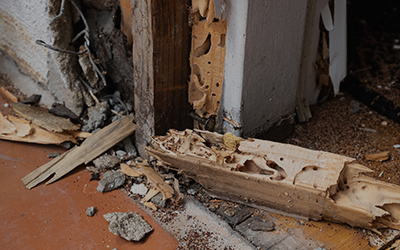
Termites rarely damage homes in obvious ways at the beginning. They move quietly, avoid open spaces, and stay close to wood and moisture. In most residential properties, infestations do not start in visible places. They begin in corners of the structure that are not given much attention during regular cleaning or maintenance.
Because of this, termite damage can be present long before the homeowners know that there is a problem. Many properties only receive professional attention after searching for Termite control near me, once visible damage appears. At that stage, colonies are usually well established.
Understanding where termites prefer to hide explains why early detection is so difficult.
Wall Voids and Framing Cavities
One of the most prevalent areas for termite activity over a long period of time is within walls.
These areas offer:
· Continuous wood supply
· Darkness
· Protection from disturbance
· Stable temperature
Inside walls, termites feed on vertical studs and horizontal framing. Drywall hides damage completely. Paint remains intact. There is rarely noise or movement to signal activity.
Common entry points into wall cavities include:
· Small foundation cracks
· Expansion joints
· Gaps around plumbing lines
Once inside, colonies expand upward and sideways. Damage continues quietly. This is why routine inspections from a Pest exterminator near me are critical, even when no surface signs exist.
Crawl Spaces Beneath Living Areas
Crawl spaces are often ignored until a repair is required. These areas provide nearly ideal termite conditions.
Risk factors commonly found:
· Exposed soil
· High humidity
· Limited airflow
· Wood in direct soil contact
Subterranean termites usually enter from the ground and begin to feed on the floor joists. Later, the integrity of the building is compromised. The floors will soon have an uneven feel, but this is a secondary effect of termite infestation.
Standard home maintenance rarely includes crawl space checks. Professional inspections tied to Best termite treatment plans focus heavily on these zones.
Subflooring and Flooring Layers
Damage to subflooring under flooring is often hidden for many years.
Problem areas include:
· Wood subfloors under tile
· Laminate flooring trapping moisture
· Hardwood planks concealing hollow wood
Moisture from spills, leaks, or high humidity is trapped between layers. Termites tunnel from underneath, leaving subflooring bare. Flooring above may look intact until pressure causes cracking or sinking.
At that stage, many homeowners begin searching for Pest control near me, often after significant structural damage has already occurred.
Attics and Roof Framing
Attics are rarely considered termite zones, yet infestations occur more often than expected.
Contributing conditions include:
· Roof leaks
· Condensation from ventilation systems
· Warm temperatures
Termites reach attics by traveling through wall framing. Once there, roof trusses and beams provide food sources. Attics are regions of the house that are not often accessed. As such, termite infestations are often overlooked.
Damage to roof framing is a long-term danger to house safety and expense.
Behind Baseboards and Decorative Trim
Trim work creates narrow gaps between walls and flooring. These spaces are ideal for termite movement.
Why damage stays hidden:
· Paint seals the surface
· Trim hides entry points
· Wood hollows internally
Baseboards often loosen slowly. Small changes are dismissed as normal wear. Behind the molding, termites are already likely to be damaging wall framing.
This region is often identified during a home inspection by a Pest exterminator near me, especially in older homes.
Utility Penetrations and Plumbing Voids
Any region where plumbing or electrical cabling passes through walls is a termite path.
High-risk regions include:
· Bathroom plumbing chases
· Kitchen sink cabinets
· HVAC penetrations
These voids provide a combination of moisture and darkness. Termites move along pipes upwards, colonizing several levels of a dwelling.
Surface damage rarely appears near the entry point. Colonies may already extend across rooms before detection.
See also: How Drones Are Transforming Business
Garages and Attached Storage Areas
Garages are less frequently checked than dwelling areas.
Common termite attractors include:
· Cardboard boxes
· Stored lumber
· Firewood
· Unfinished framing
Cracks in concrete slabs allow termites access. From garages, colonies often move into adjoining walls.
Infestations originating here frequently remain unnoticed until interior damage becomes visible.
Exterior Wood Structures
Decks, porches, and fencing are commonly the initial areas of termite infestation.
Typical problem zones:
· Deck posts touching soil
· Stair supports
· Wooden siding near ground level
Once established outdoors, termites migrate inward through structural connections. Exterior damage may appear minimal while interior framing suffers extensive feeding.
Preventive inspections tied to Termite control near me reduce the risk of interior spread.
Why Termites Remain Hidden for So Long
There are several reasons why infestations go unnoticed:
· Feeding occurs inside wood
· Movement avoids open air
· Damage progresses evenly
· Colonies expand gradually
Unlike rodents or insects that leave visible signs, termites operate silently. Waiting for obvious symptoms almost always means advanced infestation.
This is why Best termite treatment strategies focus on detection, not reaction.
Residential and Commercial Properties Face Similar Risks
Hidden termite damage is not limited to residential properties. Commercial buildings experience similar issues, especially in shared wall structures.
In commercial environments:
· Infestations spread between units
· Damage affects compliance and safety
· Repairs disrupt operations
Routine Commercial Pest Control programs rely on scheduled inspections rather than complaint-based treatment.
Importance of Local Inspection Knowledge
Different species and behaviors of termites exist in different regions. Soil type, moisture levels, and building design all impact termite infestation.
Local providers offering Pest control near me understand:
· Regional entry points
· Common structural weaknesses
· Seasonal activity patterns
This localized knowledge improves detection accuracy and treatment effectiveness.
Prevention Reduces Long-Term Damage
Homes with regular termite inspections experience:
· Fewer structural repairs
· Lower long-term costs
· Reduced infestation severity
Hidden termite damage rarely resolves on its own. Without professional attention, colonies continue feeding until forced discovery.
Closing Thoughts
Termites thrive where attention is limited. Wall voids, crawl spaces, subflooring, attics, and outdoor wood structures provide the perfect environment for termite infestation. Damage is done for years without detection.
Professional termite inspections, in conjunction with Best termite treatment options, remain the best means of protecting dwelling integrity. Early detection will limit damage, preserve the integrity of dwellings, and eliminate the need for emergency repairs.
Treebark Termite and Pest Control provides pest control services based on termite inspections to identify undetected termite infestations and protect residential and commercial properties before extensive damage occurs.