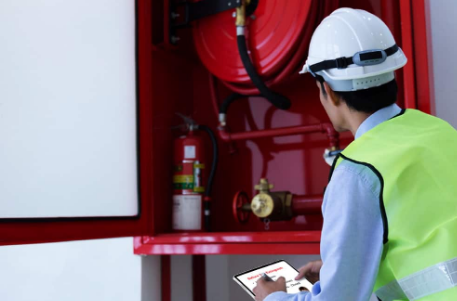
Fire safety is a critical concern for homes, workplaces, and public spaces. Fires can lead to catastrophic losses, including property damage, environmental harm, and human casualties. One of the most effective strategies to prevent fire incidents is through fire risk assessment. When properly conducted, fire risk assessments not only identify potential hazards but also provide actionable insights for mitigating risks before a fire occurs.
Understanding Fire Risk Assessment
A fire risk assessment is a systematic process used to evaluate potential fire hazards, analyze the likelihood of fire incidents, and determine the impact they could have on people, property, and operations. This assessment serves as a foundation for developing effective fire prevention strategies and ensures compliance with safety regulations.
Key Components of Fire Risk Assessment
- Identification of Fire Hazards
The first step involves recognizing sources of ignition, fuel, and oxygen. Common hazards include electrical faults, flammable materials, heating equipment, and human activities such as cooking or smoking. By identifying these risks, organizations can implement measures to control or eliminate them. - Determining People at Risk
Fire risk assessment evaluates who could be affected by a fire. Employees, visitors, residents, and vulnerable individuals such as children, elderly, or disabled persons are considered. Special attention is given to ensuring safe evacuation routes for everyone. - Evaluation of Existing Fire Safety Measures
Existing fire prevention systems, including fire alarms, sprinklers, fire extinguishers, and emergency exits, are assessed for effectiveness. The assessment identifies gaps that could compromise safety during a fire incident. - Risk Analysis
Each identified hazard is analyzed based on its likelihood and potential severity. High-risk areas are prioritized for immediate action. The evaluation allows decision-makers to allocate resources efficiently to reduce fire risks. - Recommendations and Preventive Actions
Based on the assessment, practical steps are recommended to prevent fires. These can include improving fire detection systems, implementing strict handling procedures for flammable materials, conducting fire drills, and providing training to staff on fire safety protocols.
Fire Risk Assessment as a Preventive Tool
Fire risk assessments go beyond compliance—they are essential for proactive fire prevention. Here’s how:
- Early Hazard Detection: Identifying potential ignition sources and combustible materials reduces the likelihood of accidental fires.
- Structured Fire Safety Planning: Assessment results guide the development of comprehensive fire safety plans tailored to specific environments.
- Enhanced Preparedness: Organizations and households can implement emergency response protocols, ensuring swift action in case of a fire.
- Resource Optimization: Risk assessment helps prioritize high-risk areas, allowing targeted investment in fire prevention measures.
- Continuous Improvement: Regular assessments encourage continuous evaluation and updating of fire safety procedures to adapt to changing risks.
Implementing Fire Risk Assessment
To effectively use fire risk assessment as a prevention tool, organizations and individuals should follow a structured approach:
- Assign Responsibility: Appoint a competent person or team responsible for conducting the assessment.
- Gather Information: Collect data on building layouts, materials, occupancy, and historical fire incidents.
- Conduct On-Site Evaluation: Inspect all areas to identify hazards, assess fire safety measures, and evaluate evacuation procedures.
- Analyze Findings: Rate risks based on severity and probability, identifying areas that require urgent attention.
- Develop Action Plan: Formulate a clear plan to address identified risks, including preventive measures, training programs, and emergency response protocols.
- Monitor and Review: Schedule periodic reassessments to ensure continuous improvement and adaptation to any changes in the environment or operations.
Benefits of Fire Risk Assessment
- Reduced Fire Incidents: Proactive identification and mitigation of hazards minimize the chances of fire.
- Safety of Life and Property: Proper risk management protects occupants and valuable assets.
- Regulatory Compliance: Adhering to fire safety laws reduces legal liabilities and potential fines.
- Cost Efficiency: Preventing fire damages is more economical than post-incident recovery.
- Enhanced Reputation: Organizations that prioritize fire safety gain trust from employees, customers, and stakeholders.
Read Also: How Advanced Diesel Generator Technology Is Improving Efficiency
Conclusion
Fire risk assessment is not just a regulatory requirement; it is a powerful tool for fire prevention. By systematically identifying hazards, evaluating risks, and implementing preventive measures, individuals and organizations can significantly reduce the likelihood of fire incidents. Regular assessments ensure ongoing safety, preparedness, and compliance, creating a safer environment for everyone.
FAQs
1. What is the main purpose of a fire risk assessment?
The main purpose is to identify potential fire hazards, evaluate risks to people and property, and implement preventive measures to reduce the likelihood of fire incidents.
2. How often should fire risk assessments be conducted?
Fire risk assessments should be conducted regularly, typically once a year or whenever there are significant changes in building layout, occupancy, or processes.
3. Who should carry out a fire risk assessment?
A competent person with knowledge of fire safety regulations and hazard management should conduct the assessment. Organizations may appoint an internal safety officer or hire external fire safety consultants.
4. Can fire risk assessment prevent all fire incidents?
While it cannot guarantee complete prevention, fire risk assessment significantly reduces the likelihood and severity of fire incidents through proactive measures and planning.
5. Are fire risk assessments required by law?
Yes, in most countries, conducting fire risk assessments is a legal requirement for workplaces, commercial premises, and public buildings.