Summary
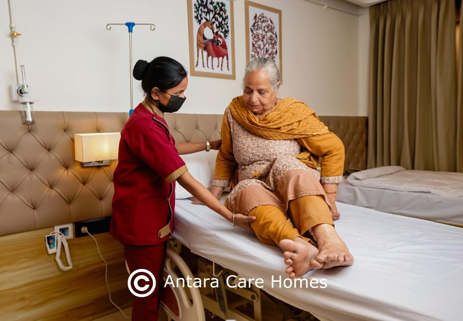
Paid old age homes in Bangalore offer a safe and reliable solution for families especially NRIs who worry about ageing parents living alone. These professionally managed care homes provide round-the-clock supervision, emergency readiness, regular health monitoring, and assistance with daily activities, ensuring seniors remain safe and well cared for.
Beyond medical support, senior homes promote social engagement through group activities, cultural programs, and shared routines that reduce loneliness and improve emotional wellbeing. Structured daily schedules, nutritious meals tailored to health needs, and physiotherapy support help maintain mobility and overall health.
Costs vary depending on care levels, ranging from basic supervision to premium facilities with 24×7 nursing and specialised dementia care. Some communities also offer long-term annuity models that provide lifetime accommodation and predictable costs.
By combining safety, companionship, and clinical support, paid old age homes enable seniors to live with dignity while giving families peace of mind no matter where they live.
Introduction
You live in the US, Dubai, or Singapore. Your phone rings at midnight.
“Dad slipped in the bathroom. The maid can’t lift him.”
Your heart sinks. You start making emergency calls. Flights. Relievers. Hospital coordination. All from thousands of miles away.
For many NRI families, this is not a one-time fear, it is a constant worry.
Paid old age homes in Bangalore reduce these crises. Trained staff respond immediately. Nurses assess injuries. Support arrives within minutes. Parents remain safe, and families regain peace of mind across continents.
This guide explains the real benefits of paid old age homes in Bangalore and why more families are choosing professional senior care.
Why Demand Is Rising
India has over 150 million seniors, making up nearly 10% of the population. By 2050, this will rise to almost 20%.
Bangalore has emerged as a leading hub for senior living due to:
- strong healthcare infrastructure
- pleasant climate
- cosmopolitan lifestyle
- proximity to leading hospitals
- growing NRI population
Families living abroad often struggle to manage care remotely. With nearly 18 million Indians living overseas, the demand for reliable elder care continues to grow.
Globally, assisted living is common. The US houses nearly 6% of seniors in senior living communities, while the UK accommodates around 11%. India is still evolving but rapidly expanding quality senior homes are options.
Safety and Security: A Major Advantage
Safety is one of the biggest concerns for ageing parents living alone. Paid old age homes provide round-the-clock supervision.
Security features typically include:
- gated entry and security personnel
- CCTV monitoring
- emergency call systems
- fall-prevention flooring
- grab bars and handrails
- night lighting in corridors
Night patrol checks and routine room visits ensure residents are safe.
Studies suggest that environments designed with fall-prevention features can reduce fall risk significantly. Immediate assistance also reduces complications after a fall.
Many care homes maintain direct hospital tie-ups and emergency response protocols. In a city like Bangalore, where traffic can delay ambulance access, on-site stabilization support can be critical.
Social Engagement Reduces Loneliness
Loneliness is one of the most underestimated health risks in ageing.
When seniors live alone, social interaction declines. Over time, this can affect mood, memory, and overall health.
The best old age homes in Bangalore create an active social environment. Residents participate in:
- group games and card sessions
- music and cultural evenings
- yoga and meditation sessions
- hobby clubs and art activities
- festival celebrations
Friendships develop naturally. Shared routines create belonging.
Research shows that socially engaged seniors experience slower cognitive decline and better emotional health. Conversations, laughter, and shared activities help maintain mental sharpness.
For families abroad, video calls showing parents smiling and participating in activities offer reassurance that they are emotionally well.
Regular Health Monitoring & Clinical Support
One of the biggest benefits of professional care is proactive health management. Care homes provide:
- daily vital checks (blood pressure, sugar levels)
- medication management
- chronic disease monitoring
- nutritional supervision
- routine doctor visits
- early illness detection
Diet plays a crucial role in senior health. Meals are tailored to medical conditions such as diabetes, hypertension, or heart disease while retaining familiar regional flavors.
Physiotherapy and mobility support help maintain strength, reduce stiffness, and prevent falls.
Because trained staff observe residents daily, health changes are detected early — often preventing hospitalization.
Families receive timely updates via phone, email, or mobile apps.
See also: Long Term Joint Health How Physiotherapy Helps Prevent Issues
A Comfortable Daily Routine
Daily life in a senior care home follows a structured yet relaxed rhythm.
Mornings may begin with tea and gentle exercise. Residents enjoy nutritious breakfast and social interaction.
Afternoons offer rest, reading, or hobby activities. Gardens provide fresh air and relaxation. Evenings may include group interactions, prayer time, or music.
Meals are balanced and familiar. Traditional South Indian dishes are prepared with healthy cooking methods and low salt.
Without the burden of cooking, cleaning, or household management, seniors can focus on activities they enjoy.
This improves emotional wellbeing and quality of life.
Continuum of Care: Support That Grows With Needs
Health needs change with age. Mobility may decline. Memory may weaken.
Paid old age homes provide continuing care, ensuring residents receive increasing support without relocating.
Residents may begin with independent living and later receive:
- assisted mobility support
- nursing care
- rehabilitation services
- dementia or memory care
This continuity reduces stress for both seniors and families.
Financial Perspective: Understanding the Costs
Costs vary based on services, medical support, and facility standards.
Basic Care: ₹25,000 – ₹45,000 per month
Includes meals, housekeeping, and supervision. Suitable for independent seniors who need a safe environment and light assistance.
Mid-Level Care: ₹45,000 – ₹75,000 per month
Includes nursing assistance, medication management, mobility support, and periodic doctor visits. Ideal for seniors needing moderate support.
Premium & Luxury Care: ₹90,000 per month – ₹1,50,000+ per month
Includes 24×7 nursing supervision, physiotherapy and rehabilitation, specialised dementia care, enhanced safety systems, and private or premium accommodation.
Annuity / Lifetime Stay Models
Some senior living communities also offer long-term annuity or lifetime stay options instead of monthly rentals.
These typically involve:
- a one-time refundable or partially refundable deposit
- a long-term lease or lifetime residency agreement
- lower monthly service charges compared to rental models
- priority access to higher levels of care if needs change
Typical deposit range: ₹1.5 lakh to ₹3 lakh+
(varies based on unit size, city, and facility type)
This model suits families seeking long-term stability, predictable costs, and guaranteed accommodation for parents.
Hiring caregivers at home can exceed ₹50,000 per month and may lack backup support, medical
oversight, and social engagement.
Professional care homes provide continuity, supervision, and a supportive community environment.
Note: Costs vary based on health needs, room type, care level, and facility policies. Always request a detailed cost breakdown before admission.
Professional Staffing & Quality Care
Quality care depends on trained staff and appropriate staffing ratios. Many top facilities maintain:
- One caregiver for 3–5 residents
- Geriatric Trained nursing teams
- Physiotherapists and rehabilitation experts
- Visiting doctors and specialists
- Nutrition planning support
- Daily Engagement plan
- 24×7 Emergency support
Well-trained staff ensure timely assistance and personalized care.
Peace of Mind for NRI Families
Distance often creates emotional stress and guilt. Professional senior care restores balance.
Families can focus on meaningful conversations instead of daily crisis management. Care homes offer:
- Regular health updates
- Video call support
- Emergency communication protocols
- Trial stays for evaluation One NRI caregiver shared:
“I finally sleep peacefully knowing someone is always there with my parents.”
About the Author
This article is contributed by the Antara Care Homes team, part of the Max Group — a leading Indian business house with a strong legacy in healthcare and senior living.
Antara Care Homes provides professionally managed assisted living and transition care services designed to support seniors with safety, dignity, and clinical oversight. With a presence across major cities including Gurugram, Noida, Bengaluru, and Chennai, Antara operates eight care homes with a combined capacity of 500 beds and has supported thousands of seniors and families.
The care homes are designed with senior safety features such as anti-skid flooring, grab bars, emergency call systems, and 24×7 trained nursing support. Clinical protocols are aligned with hospital-grade practices, and select facilities follow NABH-aligned quality and safety standards to ensure high levels of care and governance.