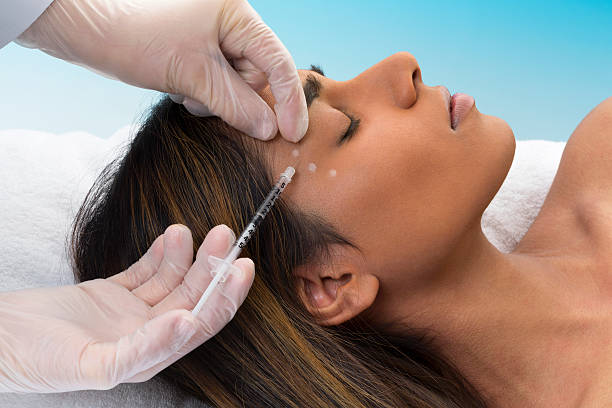
In today’s fast-paced world, maintaining a youthful appearance and smooth, radiant skin is a priority for many individuals. Among the most popular and effective cosmetic treatments is Botox, known for its ability to reduce fine lines, wrinkles, and signs of aging with minimal downtime. While Botox is widely available, the quality, safety, and effectiveness of the treatment largely depend on the expertise of the surgeon administering it. Leading Botox surgeons combine advanced skills, professional standards, and personalized care to ensure that each patient achieves natural, satisfying results.
This article explores why choosing the right Botox surgeon matters, the treatment process, benefits, safety considerations, and tips for achieving the best outcomes.
Understanding Botox and Its Applications
Botox is a purified form of botulinum toxin that temporarily relaxes muscles, reducing the appearance of wrinkles and fine lines. Originally developed for medical purposes, it has become a widely used cosmetic solution for facial rejuvenation.
How Botox Works
- Targeting Muscle Activity: Botox is injected into specific facial muscles responsible for wrinkles caused by repeated expressions, such as frown lines, crow’s feet, and forehead lines.
- Temporary Muscle Relaxation: The toxin blocks nerve signals in the treated area, preventing muscles from contracting and softening the appearance of wrinkles.
- Natural-Looking Results: When administered by an experienced surgeon, Botox creates subtle, natural results without affecting facial expressions.
Common Cosmetic Uses
Botox is highly versatile and can address various aesthetic concerns:
- Forehead wrinkles and horizontal lines
- Frown lines between the eyebrows (glabellar lines)
- Crow’s feet around the eyes
- Bunny lines on the nose
- Neck bands and chin dimpling
- Lip lines and facial asymmetry
In addition to cosmetic uses, Botox also has therapeutic applications, such as reducing excessive sweating, treating migraines, and managing certain muscle disorders.
Why Choosing a Leading Botox Surgeon Matters
Botox may be minimally invasive, but achieving safe and effective results requires precise technique, in-depth anatomical knowledge, and professional experience. Leading Botox surgeons ensure high-quality care through expertise, safety protocols, and individualized treatment planning.
Expertise and Professional Training
Top Botox surgeons typically have backgrounds in dermatology, plastic surgery, or cosmetic medicine and undergo extensive training in injectables. Their expertise allows them to:
- Identify facial anatomy accurately
- Determine the optimal injection sites and doses
- Customize treatments according to muscle strength, skin type, and patient goals
- Reduce the risk of complications such as asymmetry, bruising, or drooping
Personalized Treatment Plans
No two faces are alike, and leading surgeons recognize the importance of tailoring Botox treatments. A personalized approach considers:
- Facial structure and bone placement
- Skin thickness and elasticity
- Muscle activity and patterns of expression
- Age and aesthetic goals
This level of personalization ensures natural-looking results and high patient satisfaction.
Commitment to Safety
Safety is a critical aspect of Botox administration. Professional surgeons follow strict protocols to minimize risks:
- Using sterile techniques to prevent infections
- Measuring and administering precise dosages
- Monitoring patients for allergic reactions or side effects
- Offering guidance on pre- and post-treatment care
By prioritizing safety, leading Botox surgeons maintain the highest standards of professional care.
The Botox Treatment Process
Understanding the treatment process helps patients prepare for a successful experience and manage expectations.
Initial Consultation
During the consultation, the surgeon evaluates the patient’s facial anatomy, discusses concerns, and explains the procedure. This stage may include:
- Reviewing medical history and contraindications
- Assessing areas of muscle activity and wrinkles
- Discussing aesthetic goals and realistic outcomes
- Explaining potential side effects and recovery expectations
A thorough consultation ensures patients are informed and comfortable before proceeding.
Treatment Procedure
The Botox injection procedure is quick and minimally invasive:
- The skin is cleansed and, if needed, numbing cream or ice may be applied
- The surgeon administers small, precise injections into targeted muscles
- The process usually takes 10–30 minutes, depending on the treatment area
- Patients can resume normal activities almost immediately
Post-Treatment Care
Following the procedure, patients are advised to:
- Avoid massaging or rubbing the treated areas for at least 24 hours
- Refrain from strenuous exercise or exposure to heat for a day
- Monitor for minor side effects such as redness, swelling, or bruising
- Schedule follow-up appointments to assess results and plan maintenance treatments
Proper aftercare helps optimize results and reduces the likelihood of complications.
See also: Long Term Joint Health How Physiotherapy Helps Prevent Issues
Benefits of Receiving Botox from Leading Surgeons
Professional Botox treatments offer numerous advantages beyond wrinkle reduction.
Natural and Balanced Results
Experienced surgeons know how to achieve subtle enhancements that complement facial features without creating a “frozen” or unnatural appearance.
Minimal Downtime
Unlike surgical procedures, Botox requires little to no downtime, allowing patients to resume daily activities immediately.
Targeted and Effective Treatment
Leading surgeons can precisely target problem areas, providing long-lasting and highly effective results.
Boosted Confidence
By improving the appearance of fine lines and wrinkles, Botox treatments can enhance self-esteem and overall confidence.
Long-Term Skin Benefits
Regular treatments administered by professionals can prevent deep wrinkle formation and maintain a youthful appearance over time.
Safety Considerations and Risks
While Botox is generally safe, potential side effects can occur if the procedure is performed incorrectly. These may include:
- Temporary bruising or swelling at injection sites
- Mild headaches
- Asymmetry or drooping of facial features
- Allergic reactions (rare)
Choosing a trusted, experienced surgeon significantly reduces the risk of adverse effects and ensures prompt management if complications arise.
How to Choose the Right Botox Surgeon
Selecting a qualified and reputable Botox surgeon is essential for safe, effective results. Consider the following:
- Board certification in dermatology, plastic surgery, or cosmetic medicine
- Proven experience with Botox injections and patient outcomes
- Positive reviews and testimonials from previous patients
- Professional clinic standards, including cleanliness and modern equipment
- Clear communication regarding expectations, risks, and follow-up care
Taking the time to research and select a top-tier surgeon enhances safety, satisfaction, and long-term results.
Conclusion
Botox is a highly effective, minimally invasive treatment for reducing wrinkles, fine lines, and other signs of aging. However, the success of the procedure depends heavily on the skill, experience, and professionalism of the surgeon administering it. Leading Botox surgeons combine precise technique, personalized treatment planning, and strict safety protocols to deliver natural, effective, and lasting results.
By choosing an expert surgeon, patients benefit from improved skin appearance, boosted confidence, minimal downtime, and reduced risk of complications. From the initial consultation and tailored treatment plan to follow-up care, professional Botox surgeons ensure a safe, comfortable, and transformative experience. For those seeking facial rejuvenation and long-lasting enhancements, entrusting care to a leading Botox professional is the most reliable path to achieving optimal results.