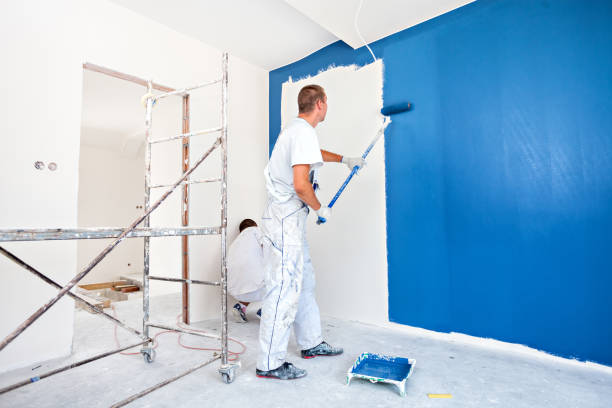
Nursing homes and aged care facilities require a higher standard of maintenance than most commercial or residential properties. These environments must balance comfort, safety, hygiene, and durability while supporting the health and wellbeing of vulnerable residents. One often overlooked but critical aspect of this upkeep is professional painting. Nursing home painters in Sydney play a vital role in delivering finishes that are not only visually calming but also hygienic, long-lasting, and compliant with strict healthcare regulations.
This article explores why specialized nursing home painters are essential, the unique challenges of aged care painting projects, and how durable, hygienic finishes contribute to safer and more welcoming care environments.
The Importance of Professional Painting in Nursing Homes
Painting in a nursing home is far more than a cosmetic upgrade. Walls, ceilings, doors, and common areas are exposed to constant use, cleaning, and wear. Poor-quality finishes can quickly deteriorate, harbor bacteria, and negatively impact the overall atmosphere of the facility.
Supporting Health and Hygiene Standards
Aged care facilities must adhere to strict hygiene and infection control standards. Professional nursing home painters use:
- Low-VOC and non-toxic paints to protect air quality
- Antimicrobial and washable coatings
- Seamless finishes that reduce dust and bacteria buildup
These measures help minimize health risks for residents, staff, and visitors.
Creating a Calm and Comfortable Environment
Color selection and finish quality can influence mood, orientation, and comfort, especially for residents with dementia or cognitive decline. Experienced nursing home painters understand how to use soft, neutral, and contrasting tones to:
- Reduce anxiety and confusion
- Improve visibility and wayfinding
- Create a warm, homelike atmosphere
What Sets Nursing Home Painting Apart
Painting an aged care facility presents unique challenges that require specialized skills and planning.
Working in Occupied and Sensitive Environments
Unlike vacant buildings, nursing homes are continuously occupied. Professional painters must work quietly, safely, and respectfully around residents who may be sensitive to noise, smells, and disruption. This requires:
- Careful scheduling of works
- Use of low-odor, fast-drying paints
- Clear communication with facility managers and staff
Compliance With Aged Care Regulations
Nursing home painters must comply with industry standards and regulations related to health, safety, and accessibility. This includes adherence to infection control protocols, fire safety requirements, and workplace health and safety guidelines.
See also: Smart Home Lighting Controls: How a Licensed Electrician St Louis Brings Your Home to the Future
Durable Finishes Designed for High-Traffic Areas
Durability is essential in nursing homes, where surfaces are subject to frequent contact, cleaning, and equipment movement.
High-Performance Wall and Ceiling Coatings
Professional nursing home painters use advanced coatings designed to withstand:
- Repeated cleaning with disinfectants
- Impact from mobility aids and medical equipment
- Scuffing and marking in corridors and common areas
These paints retain their appearance for longer, reducing the need for frequent repainting.
Protective Coatings for Doors, Handrails, and Trim
Doors, handrails, and skirting boards experience heavy daily use. Durable enamel and protective coatings help prevent chipping, peeling, and staining while maintaining a clean, professional appearance.
Hygienic Painting Solutions for Aged Care Facilities
Hygiene is a top priority in nursing homes, and paint technology has evolved to support infection control.
Antimicrobial and Washable Paint Systems
Many nursing home painters now apply antimicrobial coatings that inhibit the growth of bacteria, mold, and mildew. These paints are ideal for:
- Resident rooms
- Bathrooms and wet areas
- Treatment rooms and medical spaces
Washable finishes allow for frequent cleaning without damaging the surface, ensuring long-term hygiene.
Low-VOC and Eco-Friendly Paint Options
Indoor air quality is especially important for elderly residents with respiratory sensitivities. Low-VOC and eco-friendly paints reduce odors and airborne toxins, creating a safer and more comfortable environment during and after painting works.
Interior and Exterior Painting Services for Nursing Homes
Professional nursing home painters provide comprehensive services tailored to aged care facilities.
Interior Painting for Resident and Common Areas
Interior painting focuses on functionality, comfort, and cleanliness. This includes:
- Resident bedrooms and ensuites
- Dining areas and lounges
- Corridors, stairwells, and nurses’ stations
Careful color coordination and finish selection help create a cohesive and welcoming interior.
Exterior Painting and Building Protection
Exterior painting protects the building from weather damage while enhancing curb appeal. Nursing home painters use durable, weather-resistant coatings to safeguard facades, fences, and outdoor communal areas, ensuring the facility looks well-maintained and inviting.
Minimizing Disruption During Painting Projects
One of the most important aspects of nursing home painting is minimizing disruption to daily operations.
Strategic Planning and Staged Work
Experienced painters work closely with facility managers to plan projects in stages. This allows:
- Continuous operation of the facility
- Minimal relocation of residents
- Reduced noise and inconvenience
Clear timelines and communication ensure staff and residents are well-informed throughout the process.
Strict Safety and Cleanliness Protocols
Professional nursing home painters maintain clean workspaces, secure equipment, and follow strict safety procedures. This reduces risks such as slips, fumes, and accidental access to work zones.
Choosing the Right Nursing Home Painting Contractor
Selecting the right painting contractor is essential for achieving safe, durable, and hygienic results.
Key Qualities to Look For
When choosing nursing home painters, consider:
- Experience in aged care or healthcare environments
- Knowledge of hygiene and infection control standards
- Use of high-quality, healthcare-approved paint systems
- Fully licensed and insured professionals
- Strong communication and project management skills
A reputable contractor will understand the sensitivity of the environment and tailor their approach accordingly.
Conclusion
Nursing home painters play a crucial role in maintaining safe, hygienic, and welcoming aged care environments. By delivering durable finishes, using advanced antimicrobial and low-VOC coatings, and working with minimal disruption, they support the health, comfort, and dignity of residents. Professional painting is not simply a maintenance task, it is an investment in quality care, compliance, and long-term facility performance.
For nursing home operators and aged care providers, partnering with experienced nursing home painters like Norwest Painting Group ensures that facilities remain clean, compliant, and visually comforting, creating a space where residents can truly feel at home.