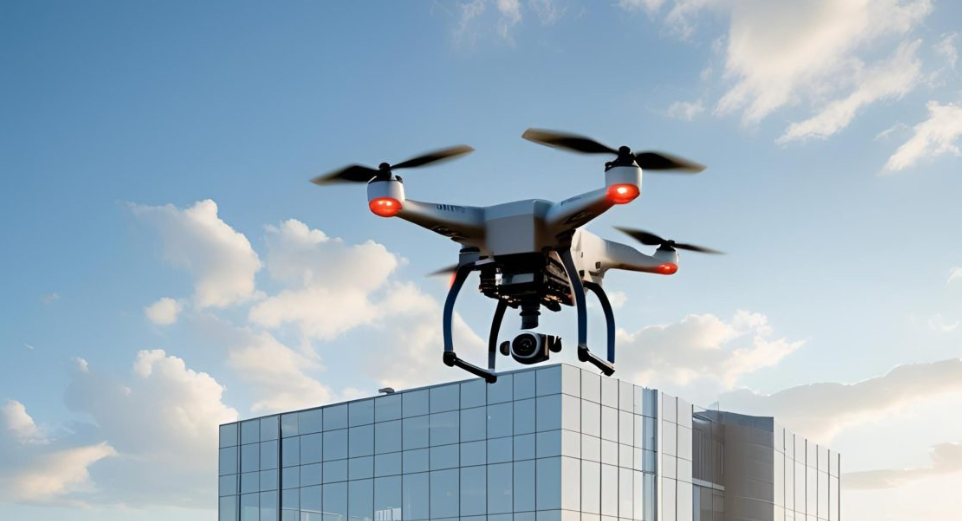
Drones are increasingly becoming integral to business operations across multiple sectors. Their impact is particularly notable in logistics, agriculture, and data collection. By streamlining processes and enhancing efficiency, drones offer a competitive edge. However, the implications of this technology extend beyond mere cost savings and operational improvements. As industries adapt, the future of drone integration raises important questions about innovation and sustainability. What remains to be seen is how these advancements will shape the landscape of business.
Enhancing Efficiency in Logistics and Shipping
As businesses increasingly seek to optimize their operations, drones have emerged as a pivotal technology in enhancing efficiency within logistics and shipping.
They streamline last mile delivery processes, reducing transit times and operational costs.
Furthermore, drones improve inventory management by enabling real-time tracking and monitoring of stock levels, ultimately fostering a more agile supply chain that aligns with the growing demand for responsiveness and freedom in commerce.
See also: How Digital Transformation Impacts Business
Revolutionizing Agriculture and Crop Management
The integration of drones into various sectors has not only streamlined logistics and shipping but is also making significant strides in agriculture and crop management.
Through precision farming, drones enable farmers to monitor crops with unparalleled accuracy, analyzing health and growth patterns.
This innovative approach enhances decision-making, optimizes resource allocation, and ultimately fosters a sustainable agricultural environment, empowering farmers to achieve greater yields and efficiency.
Advancing Data Collection and Aerial Surveillance
While traditional methods of data collection often involve labor-intensive processes and limited scope, the advent of drones has revolutionized aerial surveillance by providing real-time, high-resolution imagery and data analytics.
This transformation enhances data accuracy, enabling businesses to make informed decisions swiftly.
Furthermore, the ability to access hard-to-reach areas expands the potential for comprehensive data gathering, empowering organizations to innovate and adapt effectively.
Conclusion
In conclusion, drones are not merely technological novelties; they are the vanguard of innovation, reshaping business landscapes across diverse sectors. By enhancing logistical efficiency, revolutionizing agricultural practices, and advancing data collection methodologies, these aerial devices serve as both harbingers of change and catalysts for sustainable growth. As industries continue to embrace this aerial evolution, the potential for increased productivity and adaptability becomes as boundless as the skies themselves, heralding a new era of operational excellence.