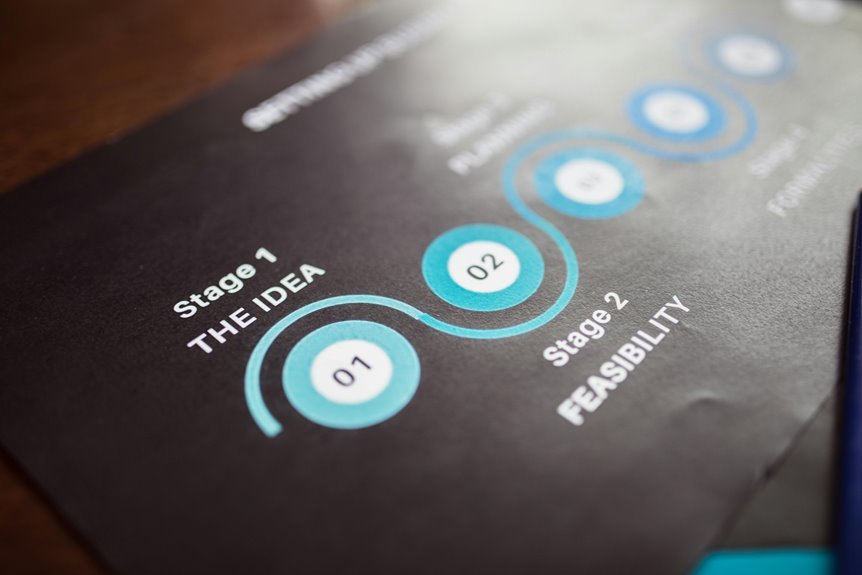
Project Delivery Overview: 9715011819, 9725876381, 9732959874, 9733045288, 9734255593, 9738342002

Project delivery methods play a critical role in shaping construction outcomes. They dictate timelines, budget allocations, and stakeholder interactions. Traditional approaches often emphasize a linear process, while newer methods focus on collaboration and integration. Each method presents its own set of advantages and challenges. Understanding these nuances is essential for project success. What implications do these choices have on innovation and efficiency throughout the entire project lifecycle?
Overview of Project Delivery Methods
Project delivery methods serve as the foundational frameworks through which construction projects are executed, influencing timelines, costs, and overall project success.
Traditional methods, such as Design-Bid-Build, emphasize sequential processes, while modern techniques, including Integrated Project Delivery, promote collaboration.
Each approach offers distinct advantages and limitations, shaping how stakeholders engage throughout the project lifecycle, ultimately reflecting their collective desire for efficiency and autonomy in construction endeavors.
Advantages and Challenges of Each Method
Each project delivery method presents a unique set of advantages and challenges that can significantly impact the outcome of construction endeavors.
Collaboration benefits often arise from integrated approaches, fostering innovation and efficiency.
Conversely, traditional methods may offer clearer risk management but can limit flexibility.
Understanding these dynamics enables stakeholders to choose the most suitable method aligned with project goals and desired outcomes.
Case Studies of Highlighted Projects
Case studies of highlighted projects provide valuable insights into the practical applications of various project delivery methods.
Through case study analysis, key project highlights emerge, showcasing successful strategies and lessons learned.
These examples illustrate how different approaches can achieve desired outcomes, emphasizing the importance of adaptability and innovative thinking in project management.
Such studies empower stakeholders to make informed decisions in future endeavors.
Conclusion
In conclusion, the choice of project delivery method significantly impacts the success of construction projects. For instance, studies reveal that projects utilizing Integrated Project Delivery can reduce costs by up to 15% and enhance completion times by 30%. This statistic underscores the importance of selecting a method that aligns with project goals and fosters collaboration among stakeholders. By understanding the advantages and challenges of each approach, project teams can navigate complexities and drive successful outcomes.